I have killed my fair share of Boston ferns. In my early days of styling small rental flats, I kept purchasing potted monsteras and placing them on the floor in shadowy corners, praying they’d somehow thrive. Within six weeks, they would inevitably turn an apologetic shade of yellow-brown and drop leaves onto my rug.
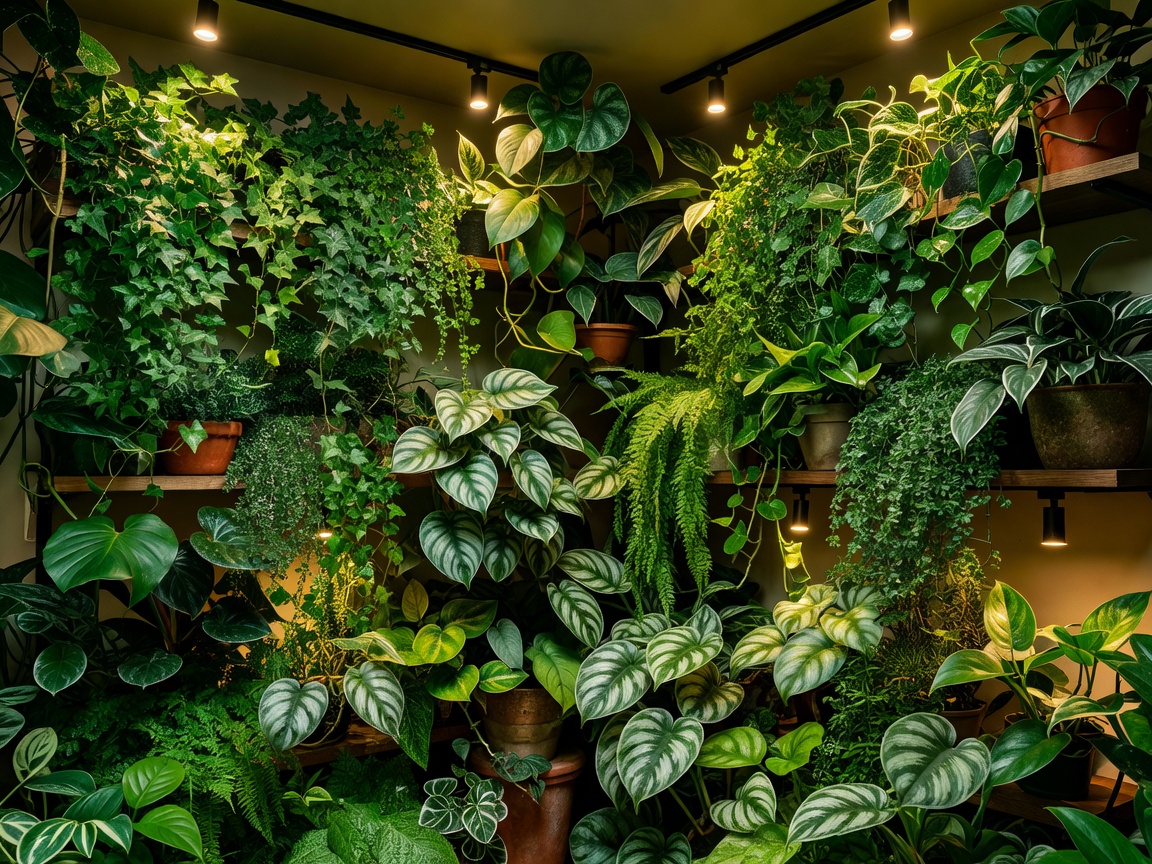
Plants need two things that residential room corners chronically lack: foot clearance and photon density. When you crowd planters onto a living room floor, you restrict movement paths and make the room feel clutched and frantic. The cure is simple: stop styling horizontally. By taking advantage of the vertical structural seam where two walls meet, you can construct a luxuriant green column that pulls the gaze upward and oxygenates your habitat.
The Tension Pole Hardware Method
Drilling into rental plaster or brickwork to mount ceiling hooks is often prohibited by leases. Enter the telescopic spring-loaded vertical plant rod. These adjustable poles lock firmly between ceiling and floor with non-marking silicone pads, requiring zero mechanical fasteners.
Equipped with 4 to 6 radial arms that swivel 360 degrees, a tension pole allows you to position trailing foliage at varying heights: cascading specimens up top, structured leafy species in the mid-section, and a heavier terra cotta crock at the base.
| Plant Species | Light Tolerance | Growth Habit | Corner Tier Recommendation |
|---|---|---|---|
| Epipremnum aureum (Golden Pothos) | High (Thrives in low light) | Aggressive cascading vine | Top tier (180–210 cm high) |
| Zamioculcas zamiifolia (ZZ Plant) | Extremely tolerant | Upright architectural stalks | Lower pedestal (30–60 cm high) |
| Philodendron hederaceum (Heartleaf) | Moderate / Low | Soft, weeping tendrils | Mid tier (120–150 cm high) |
| Sansevieria trifasciata (Snake Plant) | High (Thrives anywhere) | Vertical sculptural swords | Base tier (Floor level) |
Solving the Photosynthesis Deficit
Corners are almost always the dimmest regions of any room. To keep your vertical jungle vibrant through long winter months, integrate an unobtrusive full-spectrum LED grow bulb into an overhead track or pendant clamp.
Pros & Cons of Vertical Green Columns
Pros
- Occupies under 0.15 square metres of actual floor footprint.
- Naturally raises room humidity and softens sharp angular architecture.
- Easy to rotate individual plants for balanced phototropic growth.
Cons
- Watering elevated hanging planters requires a long-spout watering can.
- Must use drainage trays to prevent drips onto lower foliage or timber floors.
- Tension poles must be re-checked annually for spring tension calibration.
Water Management in Tight Quarters
The number one hazard of hanging vertical plants inside a home is dripping muddy water onto baseboards and rugs. Always plant within nursery plastic pots with drainage holes, and drop those directly inside glazed, non-draining decorative planters (the "cachepot" method).
Alternatively, add a 2cm layer of expanded clay hydroton pebbles at the base of cachepots to capture slight over-watering without submerging the delicate root ball. In a matter of weeks, an empty corner becomes a lively, vibrating botanical heart that transforms the personality of your entire home.